
UT San Antonio engineers are turning the Sargassum seaweed that swamps Gulf Coast beaches into 3D-printed filters for farm and city runoff.
In small amounts, Sargassum drifts in the open ocean and shelters marine life. The recent overgrowth is another matter. Millions of tons now pile up on beaches, where the seaweed rots, smothers ecosystems, drives away tourists and gives off hydrogen sulfide.
The cause sits upstream. Agricultural and urban runoff carries excess nitrogen and phosphorus into coastal waters, feeding algal blooms and marine dead zones. The UT San Antonio project goes after both ends of that chain at once, using the seaweed to catch the nutrients that helped it grow.
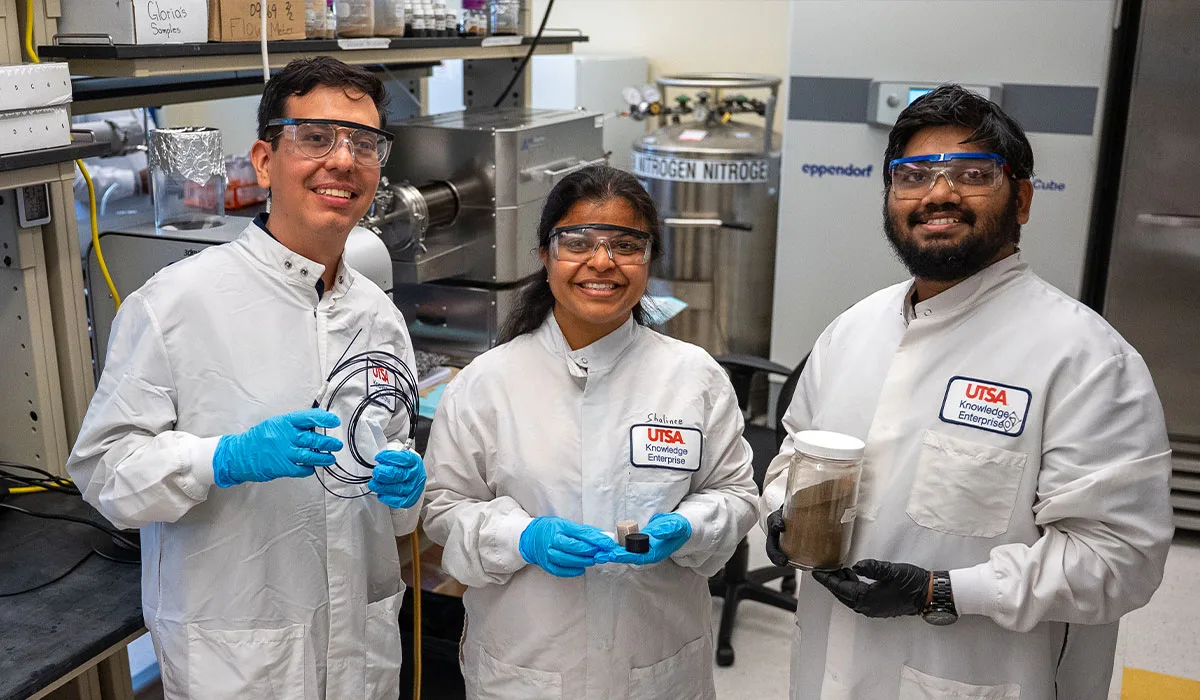
Shalinee Kavadiya, an assistant professor of biomedical and chemical engineering, leads the work with co-principal investigator Vikram Kapoor, a civil and environmental engineering professor. A three-year, $735,532 grant from the U.S. Environmental Protection Agency’s Gulf of America Program has funded it since September 2026.
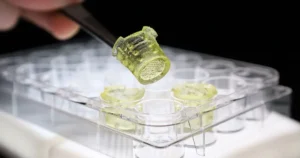
The process starts with Sargassum collected on the Texas coast. The team dries and powders it, then turns it into organic, inorganic and composite materials. Those go into porous filter modules, each built on a 3D-printed backbone with a coating that binds phosphorus and nitrogen. The group has already made filament containing Sargassum and a small prototype filter.
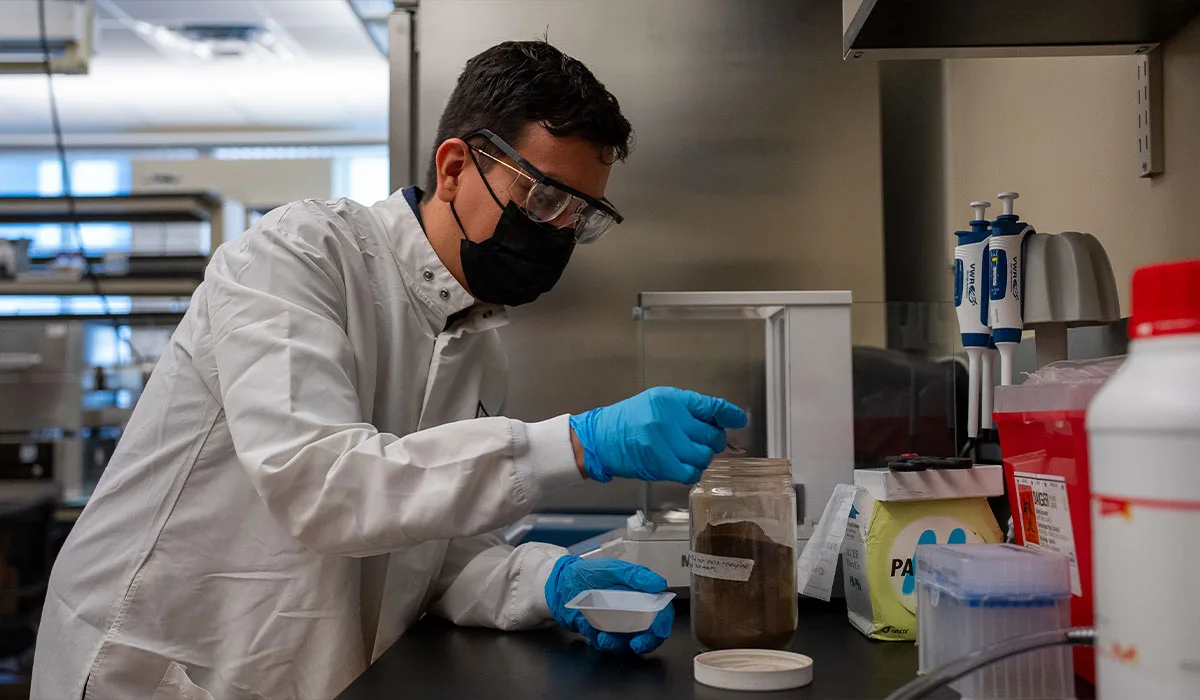
Modules are stacked with different pore sizes. Water enters at the front, where sediment gets trapped, and dissolved chemicals are caught deeper inside.
“3D printing makes it easy and reproducible to fabricate filtration units while offering control over their physical form,” Kavadiya said. The printed parts are also easy to pull out of the water once they have captured the nutrients.
Reuse is the other selling point. Commercial stormwater filters lean on single-use minerals that go to landfill once they are saturated. In this design the coating may wear with use. “But the underlying lattice backbone is recyclable and reusable, so we can re-coat it and use it again for nutrient capture,” she said. Longer term, the captured nutrients could even go back to farms as fertilizer, an idea Kavadiya hopes to explore.
Next come field tests to measure efficiency and durability, plus an economic analysis that compares the modules with existing filters. That work should help coastal communities and government agencies judge the modules as a solution at scale. By the end of the grant, Kavadiya expects to know how often a filter needs replacing for a given water flow, and what size suits a given area.
Source: UT San Antonio